A Construction Lawyer Who Can Read the Work, Not Just the Contract
I'm a licensed general contractor who has been building in Louisiana since 2003. When you bring me a construction dispute, I don't just review the contract — I walk through the work and evaluate whether it meets the standard it was supposed to meet. That's a different kind of representation, and it matters when the other side is trying to tell you the problem is your fault.

Most Construction Firms Work for Developers. I Work for You.
The large construction law practices in Louisiana built their business around developers, public projects, and commercial general contractors. If you're a homeowner with $80,000 in defective work, or a small subcontractor chasing an unpaid draw, those firms aren't looking for your call.
I take homeowner and small-contractor disputes directly. Construction litigation doesn't have to mean corporate-scale fees and a two-year war of attrition. My job is to evaluate your situation honestly, tell you what the dispute is actually worth, and pursue the most direct path to resolution — whether that's a demand letter, mediation, or the courthouse.
The Construction Disputes I Typically Handle
From defective work to unpaid contracts to liens filed against your property, Louisiana construction disputes carry specific legal deadlines and procedural rules that can end your case before it starts if you miss them.
Substandard workmanship, code violations, water intrusion, structural failures, and contractor abandonment.
Unpaid subcontractors and suppliers, breach of contract, wrongful termination of a construction agreement.
Liens filed against your property, lien challenges, and lien enforcement for contractors and suppliers owed payment.
Louisiana's peremptive periods for construction claims are among the strictest in the country. The clock starts running from the date of completion or discovery — not from when you decide to act. If you're dealing with a construction problem, the time to get a legal opinion is now.
Why a Licensed General Contractor Makes a Different Kind of Construction Lawyer
I have held a Louisiana general contractor license since 2003 and have operated a general contracting company throughout my legal career. That background changes how I evaluate a case.
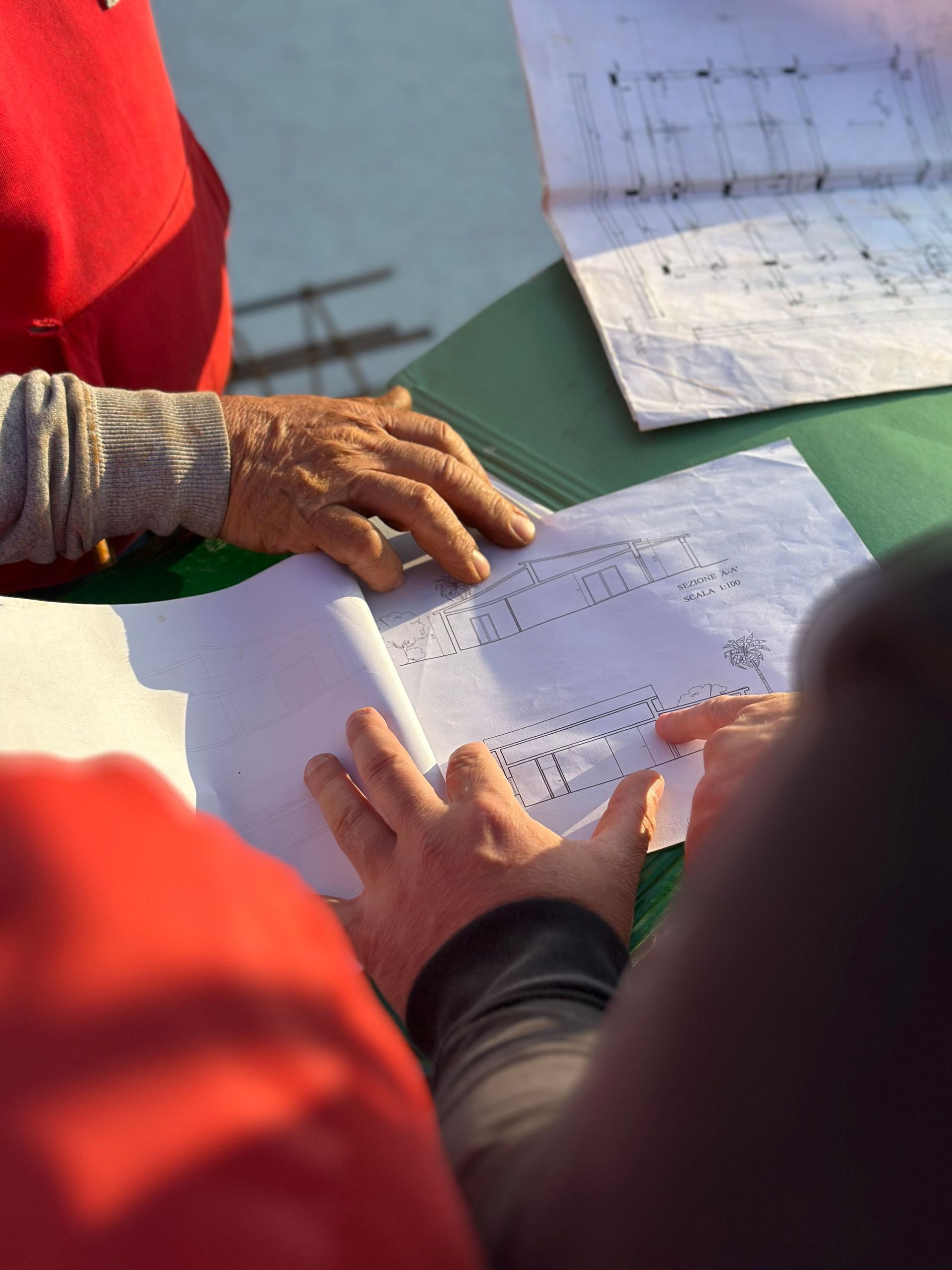
When a contractor tells you the cracking is cosmetic, I can assess whether that's true. When a subcontractor claims the work met the plans and specs, I can read those plans and determine whether it did. When an expert witness overstates damages or understates them, I have the experience to challenge it.
Most construction lawyers understand the contract. I understand the contract and the construction. That combination is difficult to find and harder to replicate.
What Louisiana Law Covers in a Construction Dispute
Louisiana construction law draws on several distinct legal frameworks, and the right theory of recovery depends on the facts of your dispute.
The foundation of most construction claims. If a contractor failed to perform the work as the contract required — or abandoned the job before completion — you have a breach of contract claim. Damages typically include the cost to repair or complete the work and consequential losses that flow from the breach.
Breach of Contract
Redhibition and Construction Defects
Louisiana's redhibition law allows a property owner to seek rescission or a reduction in price when a contractor delivers work with hidden defects that make it unfit for its intended use. This applies even when the contractor claims the work was accepted.
Louisiana's Private Works Act governs payment rights and lien rights on private construction projects. Contractors, subcontractors, and suppliers who are not paid can file a lien against the property. Property owners who pay the general contractor without confirming that subs and suppliers have been paid can face double exposure. I represent both sides of these disputes.
The Private Works Act and Mechanic's Liens
Peremptive Periods —The Deadlines That Cannot Be Extended
Louisiana imposes peremptive periods on construction defect claims — five years from completion for major structural defects, one year for other defects after discovery. Unlike a statute of limitations, a peremptive period cannot be interrupted, suspended, or waived. Once it expires, the claim is extinguished. If you are sitting on a construction problem, this is the most important reason not to wait.

Is It Worth the Fight? I'll Tell You Straight.
Not every construction dispute warrants full litigation. Some disputes resolve with a well-drafted demand letter. Others benefit from mediation before a lawsuit is filed. A few genuinely need a trial.
My job in the first consultation is to give you an honest assessment: what your claim is worth, what it would realistically cost to pursue it, and which path gives you the best outcome. I won't push you toward litigation to run up a fee, and I won't talk you out of a fight you should be having. You'll leave the consultation knowing where you stand.
Frequently Asked Questions About Construction Disputes in Louisiana
Do I need a lawyer for a dispute with my contractor?
Not always — but the answer depends on the amount at stake and how far the contractor is willing to go. Small disputes under the limits of Louisiana small claims court can sometimes be handled without an attorney. For disputes involving significant repair costs, liens on your property, or a contractor who has stopped responding, a lawyer can make a material difference in what you recover and how quickly you resolve it.
Can a contractor sue me in Louisiana if I refuse to pay?
Yes. A contractor who believes they are owed payment can file suit for breach of contract and can file a lien against your property under the Louisiana Private Works Act. That lien can affect your ability to sell or refinance. If a contractor has threatened to sue or has already filed a lien, getting legal advice before you respond is important.
How long do I have to file a construction defect claim in Louisiana?
Louisiana imposes peremptive periods that vary by defect type. Major structural defects carry a five-year period from the date of substantial completion. Other defects carry a one-year period from the date of discovery. These are peremptive deadlines, not standard statutes of limitations — they cannot be extended under any circumstances. If you are uncertain whether your deadline has passed, call me before assuming it has.
What is a mechanic's lien and how does it affect my property?
A mechanic's lien — filed under Louisiana's Private Works Act — is a legal claim recorded against your property by an unpaid contractor, subcontractor, or supplier. It attaches to the property itself and must be resolved before you can sell or refinance. If a lien has been filed against your property, or if you are a contractor who needs to file one to protect your payment rights, I handle both sides of that process.
What if my contractor did bad work but I already paid?
Payment does not waive your right to pursue a defect claim. If the work fails to meet the contract standard or contains defects that make it unfit for its intended use, you may have claims for the cost of repair, diminution in value, and related losses — regardless of whether you paid in full. The key is acting before the applicable peremptive period expires.