Louisiana 18-Wheeler Accident Attorney Who Knows How the Other Side Thinks
When a commercial truck hits you on I-10, I-310, or Highway 90, you are not dealing with a distracted driver and a personal auto policy. You are dealing with a trucking company, a fleet insurer, and a defense team that was likely on the phone before the wreckage was cleared. I spent years on that side of the table — first as an insurance adjuster, then as an insurance-defense attorney. Now I represent injured people against the same carriers I once worked alongside. That background is not incidental. It is the reason I know exactly what evidence they are looking for, how they calculate exposure, and where they try to cut your claim down.
Why 18-Wheeler Cases Are Categorically Different from Car Accident Claims
A semi-truck injury claim is not a larger version of a car wreck case. The legal exposure is bigger, the insurance limits are larger, and the defense response is faster and more organized. Multiple parties can share liability — the driver, the trucking company, a cargo loader, a maintenance contractor, or a vehicle manufacturer — and each of those parties may have separate counsel working to shift blame away from their client. Commercial insurers assigned to these cases are experienced litigators. They know the playbook, and they start running it immediately.
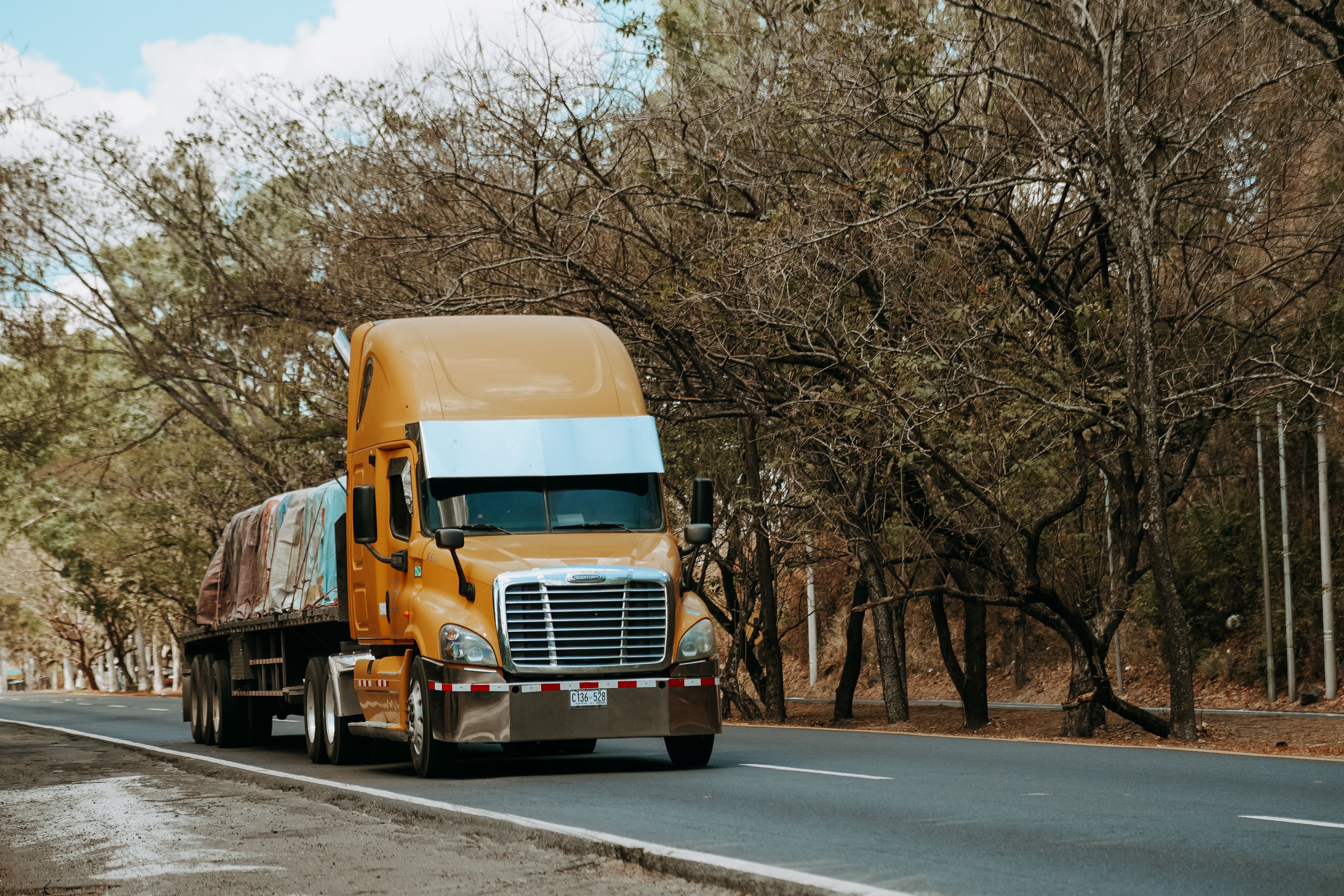
Who Can Be Held Liable in a Louisiana Commercial Truck Crash
Trucking company liability in Louisiana is not limited to the driver who was behind the wheel. Depending on the facts of your case, responsible parties may include:
- The trucking company, if the driver was an employee acting within the scope of employment, or if the company's own negligence contributed — inadequate training, pressure to exceed hours-of-service limits, or failure to maintain the vehicle
- An independent contractor or owner-operator, if the driver was not a direct employee
- A cargo loading company, if improper loading caused a shift, spill, or rollover
- A third-party maintenance provider, if a mechanical failure caused or contributed to the crash
- A vehicle or parts manufacturer, if a defect played a role
Identifying every responsible party before filing is one of the most consequential decisions in a truck accident case. Leaving a liable party out of the lawsuit can mean leaving significant compensation on the table.
How I Value a Truck Accident Claim — and Why That Number Matters
I spent years evaluating injury claims from the insurer's side. I know the methodology they use to assign a value to your case — and I know where they deliberately undercount. When I take a truck accident case, I build the full picture of what you are owed: emergency and ongoing medical costs, future care and rehabilitation, lost wages already incurred, diminished earning capacity going forward, and the non-economic damages that adjusters routinely minimize. I value your claim the way the insurer does — then I make them pay it.
The commercial policies on 18-wheelers are substantially larger than personal auto limits. That means there is real money available, and the insurer's job is to keep as much of it as possible. My job is the opposite.
Local Trucking Corridors Where These Crashes Happen
The New Orleans metro and surrounding parishes are among the most active commercial freight corridors in the country. I handle truck accident cases across the region, including crashes on:
- I-10 through New Orleans, Metairie, and into St. Tammany Parish
- I-310 connecting the Westbank to the River Parishes
- Highway 90 through Jefferson Parish, Gretna, and the Westbank
- I-12 and Highway 190 on the Northshore through Covington, Mandeville, and Slidell
- The Causeway corridors and parish roads throughout Jefferson, Orleans, and St. Tammany
If you were injured in a commercial truck crash anywhere in the greater New Orleans area, I can take your case.
What I Handle in Every 18-Wheeler Accident Case
Evidence Preservation
The first move in any trucking case is locking down the evidence before it disappears. I send spoliation letters and litigation hold notices immediately, and I move for emergency discovery when the situation calls for it. Waiting is not an option — and I do not wait.
Liability Investigation
I work to identify every party whose negligence contributed to the crash. That means reviewing the driver's qualification file, the company's safety record, maintenance history, cargo documentation, and any prior violations with the Federal Motor Carrier Safety Administration. In cases involving multiple defendants, this investigation determines how much each party owes.
Full Claim Valuation
I calculate what you are actually owed — not what the adjuster's first offer reflects. That includes current and future medical expenses, lost income, reduced earning capacity, and the pain and disruption this crash has caused in your life. My background in insurance claim evaluation means I can anticipate the arguments they will make to reduce that number and counter them before they gain traction.
Negotiation and Trial
Most cases resolve before trial, but the insurer's willingness to pay a fair number depends entirely on whether they believe you will take it to a jury. With 31 years of trial experience, I give them a reason to take that seriously. If they do not come to the table with a number that reflects what your case is worth, I am prepared to try it.
Frequently Asked Questions About Louisiana Truck Accident Cases
Who is liable in a Louisiana 18-wheeler accident?
Liability can fall on the truck driver, the trucking company, a cargo loader, a maintenance contractor, or a vehicle manufacturer — sometimes more than one. Louisiana's comparative fault rules allow each party's share of responsibility to be determined separately. Identifying every liable party before filing is critical, because missing one can reduce your recovery significantly.What evidence matters most in a truck accident case?
The most valuable evidence is often the data generated by the truck itself — ELD records showing hours of service, the event data recorder capturing speed and braking before impact, and dashcam footage. Driver qualification files, maintenance logs, and dispatch communications are also central. Much of this evidence has a short retention window, which is why contacting an attorney immediately after the crash is so important.How long do I have to file a truck accident lawsuit in Louisiana?
Louisiana's general personal injury prescriptive period is one year from the date of the accident. That deadline can arrive faster than it seems when you are focused on medical treatment and recovery. Do not wait until you are close to the deadline to consult an attorney — evidence preservation and investigation need to begin as early as possible.What if the trucking company's insurer contacts me before I have a lawyer?
Do not give a recorded statement and do not accept any settlement offer before speaking with an attorney. Adjusters for commercial carriers are trained to limit the company's exposure. Anything you say can be used to reduce or deny your claim. You have the right to decline to speak with them until you have representation.How much is my 18-wheeler accident case worth?
There is no standard answer — the value depends on the severity of your injuries, your medical costs now and in the future, your lost income, your reduced earning capacity, and the non-economic impact on your life. Commercial trucking policies carry substantially higher limits than personal auto policies, which means the available recovery is often significant. I evaluate every case individually and give you a realistic picture of what it is worth.