Construction Defect Lawyer in Louisiana — I'm a Licensed Contractor Who Can Prove What Went Wrong
You bought a home — or hired a contractor to build or renovate one — and now something is wrong. Water is coming in where it shouldn't. The foundation has shifted. Drywall is cracking. The electrical isn't right. And the builder, the subcontractor, and the warranty company are pointing fingers at each other while you're left holding the damage.
I've been a licensed general contractor since 2003 and have owned a contracting company for years. I don't just read contracts — I read construction. When I walk through a defective home, I can identify what was built wrong, who was responsible for that scope of work, and what the documentation should look like. That's the part most lawyers can't do. And in a construction defect case, it's the part that matters most.
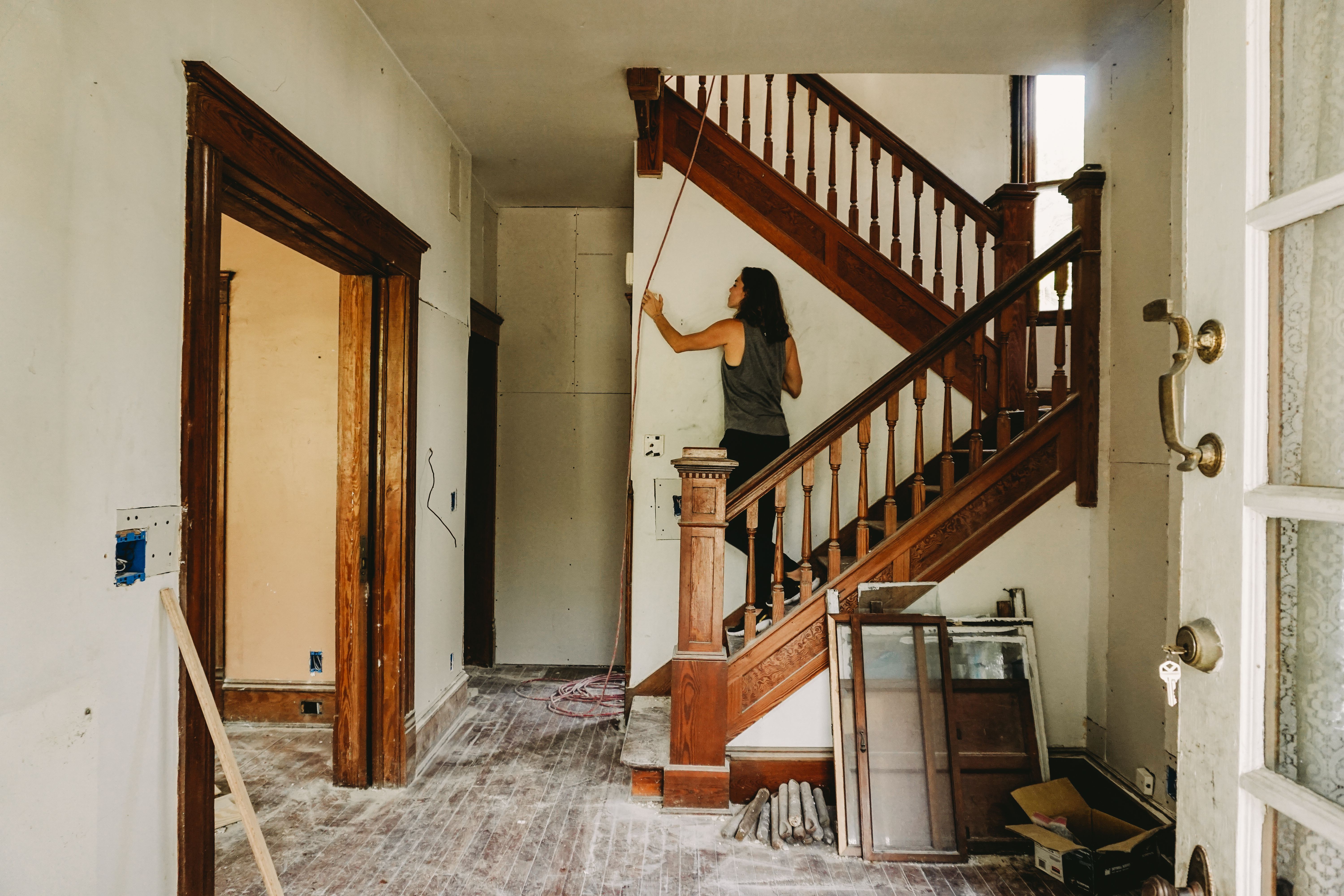
"It's Just My Word Against the Builder's" — Until It Isn't
This is the fear I hear most often from homeowners. The builder says it was installed correctly. The subcontractor says it's someone else's scope. The warranty company says it's normal settling. And you're left wondering how you're supposed to prove anything.
I turn "he said" into documented evidence. Because I've spent decades in construction before I ever spent a day in a courtroom, I know what proper installation looks like, what the applicable building codes require, and what a deviation from standard practice looks like when I see it. I know which trade was responsible for which scope, and I know how to build a record that establishes that.
Thirty-one years of litigation experience means I know how to take that record and use it — in negotiations, in depositions, and at trial if it comes to that.
Louisiana's Deadlines for Construction Defect Claims
Louisiana gives you a window to file a construction defect claim. That window is not unlimited, and in some cases it closes faster than homeowners expect.
1. The New Home Warranty Act
Louisiana's New Home Warranty Act provides specific warranty periods for newly constructed homes. One year for workmanship and materials defects. Two years for mechanical systems. Five years for major structural defects. These are not open-ended — once the applicable period expires, the claim is barred regardless of how serious the damage is.
2. Peremptive Periods for Immovables
For construction defects on immovable property outside the New Home Warranty Act — including renovation projects and commercial construction — Louisiana law imposes a peremptive period. Peremption is not a statute of limitations. It cannot be tolled, waived, or extended. When the period runs, the right to sue is extinguished entirely.
3. Why This Matters Right Now
If you've noticed a defect and you're waiting to see if it gets worse, or waiting for the builder to respond, or waiting until you can afford to deal with it — you may be letting a deadline run. The time to find out where you stand is before the window closes, not after.
If you're asking how long you have to file a construction defect claim in Louisiana, the honest answer is: it depends on when the defect was discovered, what type of construction it involves, and which warranty or legal framework applies. I can give you a direct answer when I know the facts of your situation.
Who Is Actually Responsible? That's the Hard Question.
In a construction defect case, identifying the defect is only the first step. Identifying who is legally responsible for it is where most cases get complicated — and where most lawyers without a construction background struggle.
A general contractor may be responsible for the overall project but delegated that scope to a subcontractor. The subcontractor may have followed a design that was itself defective, which shifts responsibility to the architect or engineer. The materials may have been defective when they arrived on site, which implicates the manufacturer or supplier.
Because I've operated as a GC, I understand how construction contracts allocate responsibility between prime contractors, subcontractors, and design professionals. I know how to read a subcontract, how to trace which trade touched which system, and how to identify the party — or parties — whose failure caused your damage. In construction defect litigation, that analysis is often the difference between recovering your losses and walking away with nothing.
What a Construction Defect Claim Can Recover
Depending on the facts of your case and the applicable legal framework, a successful construction defect claim may recover:
- Cost to repair or remediate the defective work
- Diminution in property value where repair is insufficient
- Consequential damages — personal property, temporary housing, lost use
- Attorney's fees and costs in certain cases under the New Home Warranty Act
I evaluate each case individually. I'll tell you what I think the realistic recovery looks like and what it will take to get there.
Construction Defect Cases Across Southeast Louisiana
I handle construction defect claims in Jefferson Parish, Orleans Parish, and St. Tammany Parish, including clients in Metairie, New Orleans, Covington, Mandeville, and Slidell. Louisiana's construction market — and its climate — creates recurring defect patterns I've seen across all of these communities. If your home or project is in the Greater New Orleans area or the Northshore, I'm familiar with the local contractors, building conditions, and courthouse environments where these cases are litigated.
Frequently Asked Questions About Construction Defect Claims in Louisiana
My new house has water damage — who is responsible?
Responsibility depends on the source of the intrusion. It may be the general contractor, a roofing or waterproofing subcontractor, a window or door installer, or a design professional if the detail was specified incorrectly. The first step is identifying the actual cause and tracing it to the trade or party responsible for that scope of work. That's something I can assess when I review the facts of your situation.How long do I have to file a construction defect claim in Louisiana?
It depends on the type of construction and when the defect was discovered. New homes are governed by the New Home Warranty Act, which sets specific periods ranging from one to five years depending on the type of defect. Other construction defect claims are subject to Louisiana's peremptive periods for immovables. Because peremption cannot be extended, it's important to get a clear answer on your deadline as early as possible.
Does the New Home Warranty Act cover renovations and additions?
The New Home Warranty Act applies specifically to newly constructed residential homes. Renovation and remodeling projects are generally governed by contract law and Louisiana's general peremptive periods rather than the Act. If your dispute involves a renovation, the applicable deadlines and available remedies may differ from a new construction claim.What if the builder says the damage is my fault or normal settling?
That's a common response, and it's not the end of the conversation. My background as a licensed general contractor lets me evaluate those claims on their technical merits — not just take them at face value. If the damage is inconsistent with normal settling, or if the installation deviated from building codes or accepted construction practice, I can document that and build the case accordingly.Can I still file a claim if I've already sold the home?
Potentially, yes — depending on the timeline and the nature of the damages you suffered while you owned the property. This is a fact-specific question, and the answer depends on when the defect arose, when it was discovered, and what claims were preserved at the time of sale. It's worth a conversation before you assume the window has closed.